


Restorative-led planning
The final tooth position, emergence profile and hygiene access should inform implant position — not be solved after surgery.
From bone condition and implant position to the final restoration, each stage is planned around your clinical needs and travel schedule.
Subservices help you understand the treatment range. The clinician confirms the suitable approach after assessing the real condition.
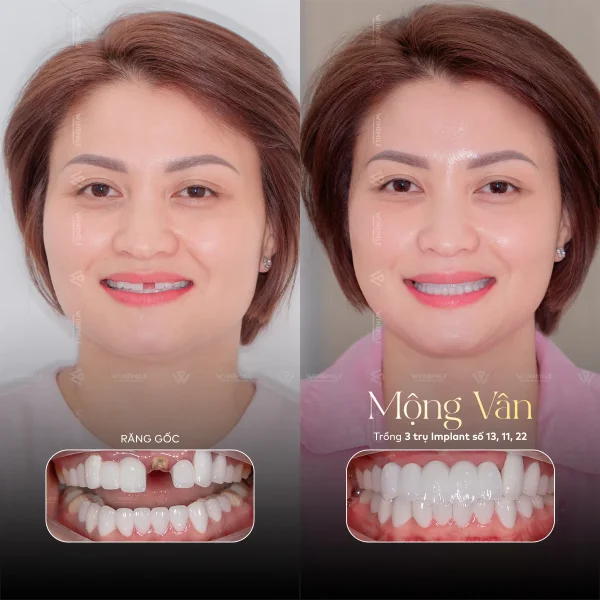 Service
Single-tooth Implant
Replace one missing tooth with an implant-supported individual crown.
Read more →
Service
Single-tooth Implant
Replace one missing tooth with an implant-supported individual crown.
Read more →
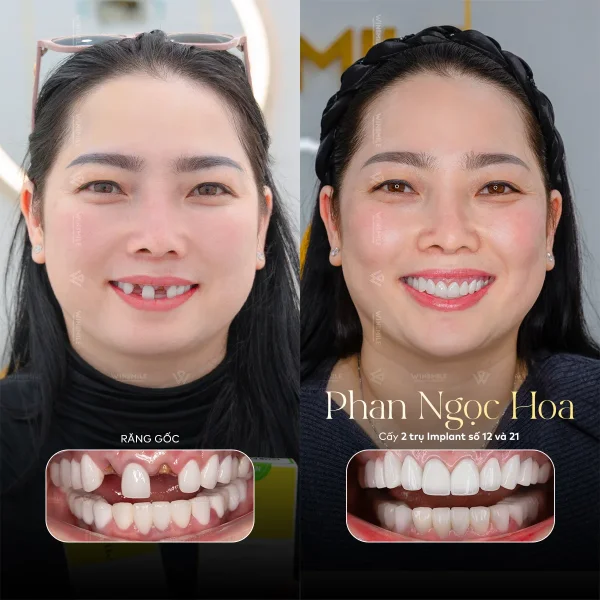 Service
Multiple-tooth Implants
Restore several missing teeth using individual implants or an implant-supported bridge when appropriate.
Read more →
Service
Multiple-tooth Implants
Restore several missing teeth using individual implants or an implant-supported bridge when appropriate.
Read more →
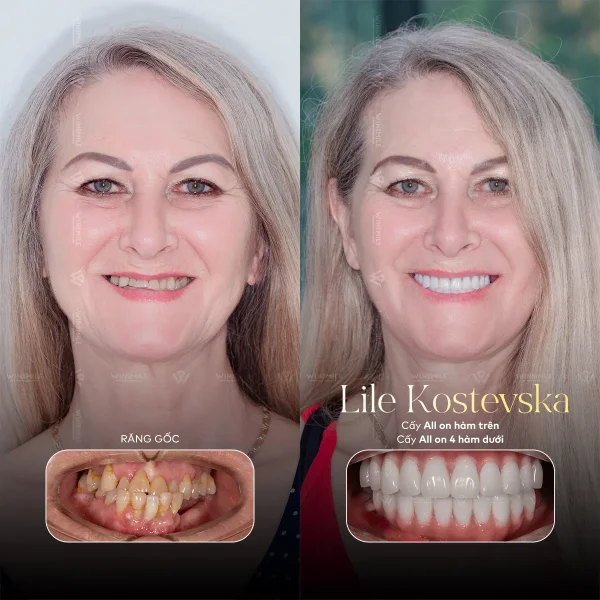 Service
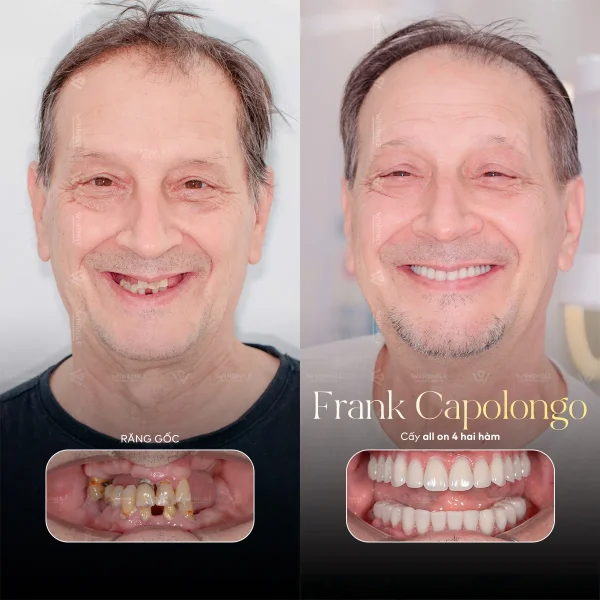
All-on-4
A full-arch restoration concept using four implants in clinically suitable cases.
Read more →
Service
All-on-4
A full-arch restoration concept using four implants in clinically suitable cases.
Read more →
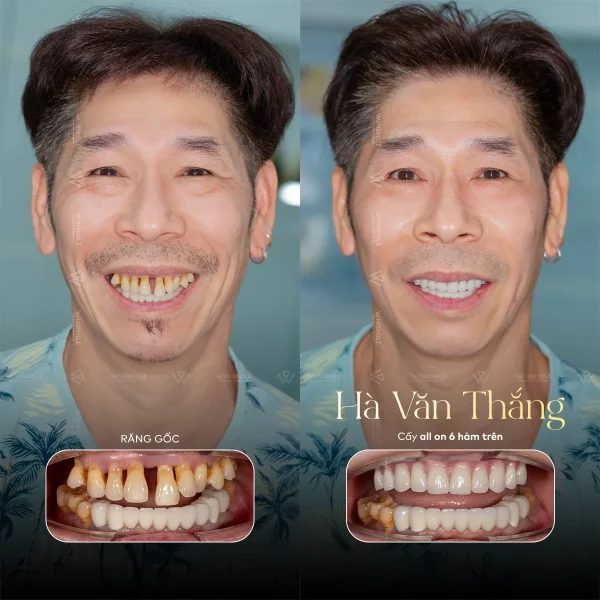 Service
All-on-6
A six-implant full-arch approach when anatomy, bone and restorative planning support it.
Read more →
Service
All-on-6
A six-implant full-arch approach when anatomy, bone and restorative planning support it.
Read more →
 Service
Full-mouth Implant Rehabilitation
A multi-area plan for extensive tooth loss, integrating bite, remaining teeth and treatment sequencing.
Read more →
Service
Full-mouth Implant Rehabilitation
A multi-area plan for extensive tooth loss, integrating bite, remaining teeth and treatment sequencing.
Read more →
 What Changes the Cost of Dental Implants?
A useful estimate starts with diagnosis rather than a price table. Scope, bone, restorative design, materials and the number of treatment stages can all change the plan.
What Changes the Cost of Dental Implants?
A useful estimate starts with diagnosis rather than a price table. Scope, bone, restorative design, materials and the number of treatment stages can all change the plan.
 Implant Procedure & Recovery: Understand Every Stage Before Treatment
Implant treatment is not a single procedure. Responsible planning connects diagnosis, surgery, healing, restoration and long-term review into one coordinated journey.
Implant Procedure & Recovery: Understand Every Stage Before Treatment
Implant treatment is not a single procedure. Responsible planning connects diagnosis, surgery, healing, restoration and long-term review into one coordinated journey.
 All-on-4 vs All-on-6: do not choose by implant count alone
Both are full-arch implant restoration concepts. The important differences are bone distribution, anatomy, implant position, prosthetic design, loading, hygiene and maintainability.
All-on-4 vs All-on-6: do not choose by implant count alone
Both are full-arch implant restoration concepts. The important differences are bone distribution, anatomy, implant position, prosthetic design, loading, hygiene and maintainability.

Hanoi Medical University · Implant training at VDT · Oral-surgery training at 108 Military Central Hospital · vertical bone-regeneration course with PTFE membrane at ZimVie · continuing dental education at Harvard.
The final tooth position, emergence profile and hygiene access should inform implant position — not be solved after surgery.
Available bone, sinus or nerve anatomy and soft tissue can change whether augmentation, staging or another approach is needed.
The treating clinician confirms indication, risk, surgical sequence and when in-person milestones are required.
Review, hygiene, occlusal control and the ability to clean around the restoration are part of the plan from the beginning.
There is no universal number of implants or one protocol for everyone. The starting point is understanding how many teeth are missing and the condition of the supporting tissues.
Replace a single tooth without relying on the neighbouring teeth.
Plan the number and position of implants according to the final restoration.
A fixed option may be considered when clinical conditions allow.
Reassess the supporting teeth, bone and a new restorative strategy.
A comprehensive plan may combine implants, restorations and bite control.
Before discussing implant systems or numbers, the dentist needs to assess the factors that can influence long-term prognosis.
Volume, quality and anatomy influence implant planning.
Soft-tissue health and hygiene need to be stable enough.
Functional loading must be considered with the final restoration.
Active disease, weak teeth or old restorations can change treatment sequence.
Medical Director · Implant & Oral Surgery
Principal clinician for surgery and implant dentistry at Win Smile, while also leading the system’s clinical direction.
Dentistry graduate of Hanoi Medical University with further implant and oral-surgery training.
Implant placement, bone augmentation when indicated and planning for complex restorative cases.
Confirms indications, treatment stages and which milestones require an in-person visit in Vietnam.
Technology is useful only when its data is interpreted correctly in the individual clinical context.
Supports assessment of bone and relevant anatomy.
Captures restorative and bite information where appropriate.
Digital data supports implant positioning from a restorative perspective.
Materials and components should be documented clearly in the treatment record.
Share imaging, photos, medical history and travel dates.
Clinical examination and any additional required records.
Surgery according to the confirmed clinical plan.
Osseointegration is monitored; timing differs by case.
Final restoration when clinically appropriate, followed by overseas support.
These illustrations explain common treatment situations. Your diagnosis, treatment choice, clinician and timeline must be confirmed individually.
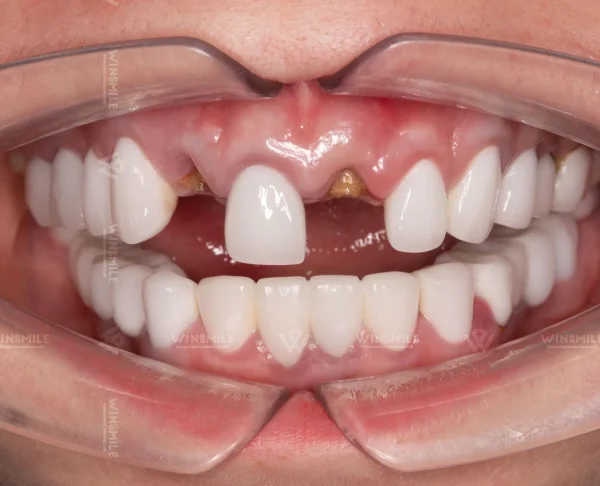
Aesthetic tissue, bone and restorative planning matter before implant placement.
Learn about this treatment →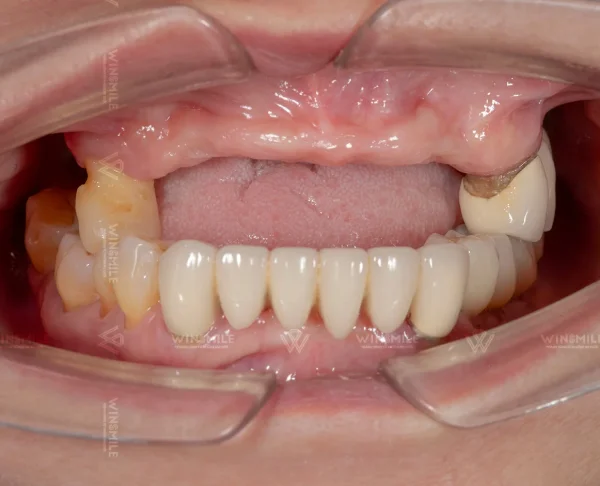
Bone, bite and hygiene must be considered before selecting an All-on-X approach.
Learn about this treatment →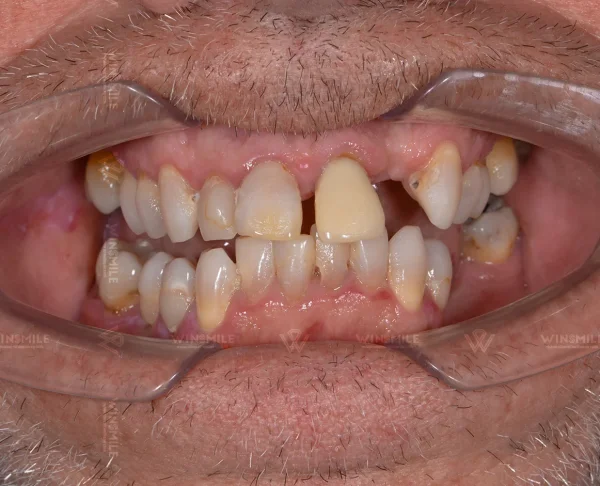
The number of implants does not always equal the number of missing teeth; positions follow the restorative plan.
Learn about this treatment →Real experiences help you understand the service through the eyes of someone who has been through the journey.
 ▶
▶
How planning and treatment stages are arranged around a limited stay.
Trust is not built by discussing benefits alone. Limitations and factors that can change the plan should be explained in advance.
Bone grafting or staged treatment may be needed.
These may need control before or alongside implant care.
Some conditions affect indications and healing.
May adversely affect healing and implant prognosis.
A final restoration cannot be guaranteed within one short trip for every patient.
The restorative design may need adjustment to manage functional loading.
Not every implant case can be completed in 7–10 days. Pre-travel planning clarifies what can be done during your stay, what requires healing time and whether a return visit is needed.
A single number without context can be misleading. An estimate follows an understanding of the condition and is confirmed after an examination.
How many and where they are required.
Only when clinically indicated.
Single crown, bridge or full-arch restoration.
Bone, gums, bite and remaining teeth.
Selected according to the treatment and follow-up plan.
One visit or multiple treatment trips.
Discomfort varies by procedure and person. Pain-control and aftercare are discussed before treatment.
Not every patient does. It depends on bone volume and implant position.
Some stages may fit into a short trip, while many cases need healing before the final restoration.
Existing X-rays/CBCT, implant information, medical history and current medications are useful.
The required stay depends on diagnostics, surgical scope and whether healing is needed before the final restoration. A preliminary travel plan can be discussed before you fly, but the final schedule is confirmed after examination.
Yes. Existing records can help the team understand your history and prepare questions, but new imaging may still be needed if the records are incomplete or no longer suitable for planning.
Suitability is a clinical decision made by the treating dentist after reviewing oral health, bone, bite, medical history and the proposed restoration.
Aftercare may include hygiene instructions, review timing, English records and communication with Win Smile if you need clarification after returning home.
Start with your current condition, goals and travel dates. Win Smile can help you understand the next steps before you book your flight.