


Diagnosis before appliance
The appliance is a tool. The diagnosis determines whether braces, aligners, anchorage or another sequence is appropriate.
A good orthodontic plan also considers bite, facial balance, oral hygiene and long-term stability after active treatment.
Subservices help you understand the treatment range. The clinician confirms the suitable approach after assessing the real condition.
 Service
Metal Braces
A widely used fixed-appliance option that can control many types of tooth movement.
Read more →
Service
Metal Braces
A widely used fixed-appliance option that can control many types of tooth movement.
Read more →
 Service
Ceramic Braces
Tooth-coloured fixed brackets for patients who prefer a more discreet appearance.
Read more →
Service
Ceramic Braces
Tooth-coloured fixed brackets for patients who prefer a more discreet appearance.
Read more →
 Service
Invisalign / Clear Aligners
Removable clear aligners whose suitability depends on tooth movement, bite and compliance.
Read more →
Service
Invisalign / Clear Aligners
Removable clear aligners whose suitability depends on tooth movement, bite and compliance.
Read more →
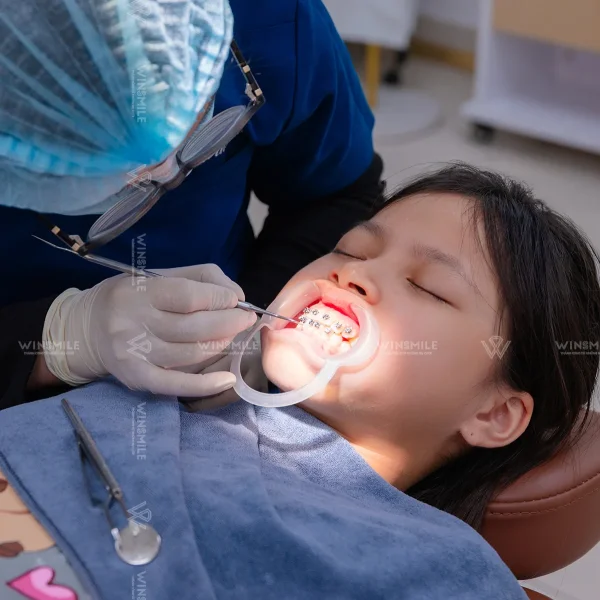 Service
Early Orthodontic Treatment
Assess growth, bite and treatment timing in children and adolescents.
Read more →
Service
Early Orthodontic Treatment
Assess growth, bite and treatment timing in children and adolescents.
Read more →
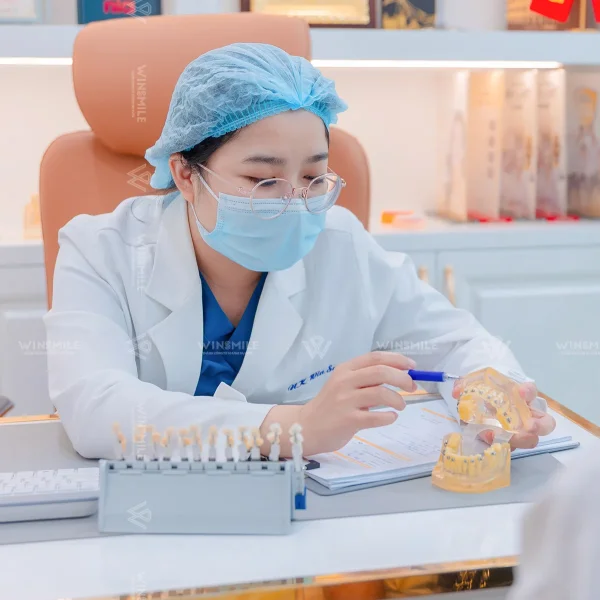 Service
Complex Bite Correction
Planning for cases involving bite relationships, jaw coordination or multidisciplinary care.
Read more →
How Long Does Orthodontic Treatment Take? Understand the Journey, Not a Single Number
Both fixed appliances and clear aligners can move teeth. The decision depends on control requirements, malocclusion, bite, compliance, hygiene and the review schedule.
Service
Complex Bite Correction
Planning for cases involving bite relationships, jaw coordination or multidisciplinary care.
Read more →
How Long Does Orthodontic Treatment Take? Understand the Journey, Not a Single Number
Both fixed appliances and clear aligners can move teeth. The decision depends on control requirements, malocclusion, bite, compliance, hygiene and the review schedule.
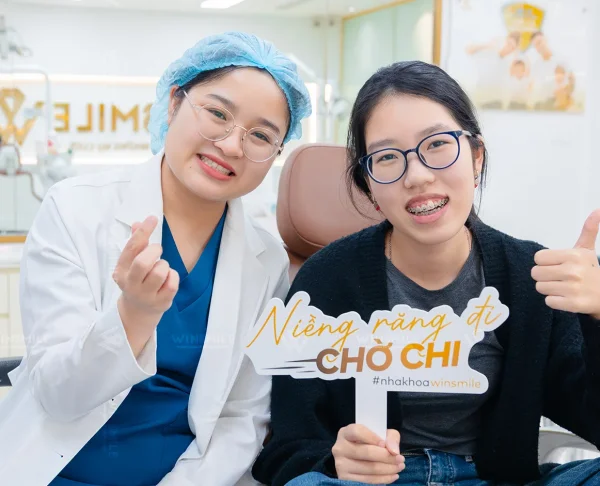 How long does orthodontic treatment take? Understand the journey, not a single number
Treatment time depends on malocclusion complexity, bite goals, biological response, appliance, cooperation and finishing. A month estimate is only an initial projection.
How long does orthodontic treatment take? Understand the journey, not a single number
Treatment time depends on malocclusion complexity, bite goals, biological response, appliance, cooperation and finishing. A month estimate is only an initial projection.


Dr. Dinh Viet Ha: Dentistry, Hanoi Medical University; Orthodontics certification at the Institute of Odonto-Stomatology, Hanoi Medical University; periodontal-surgery and basic implant training. Dr. Hua Thi Xuan: publicly listed MEAW, Dr. Chrischang orthodontic and Dr. John Lin miniscrew training.
The appliance is a tool. The diagnosis determines whether braces, aligners, anchorage or another sequence is appropriate.
Straight teeth are not the only endpoint; occlusion, lip support, profile and stability can influence the plan.
Movement is assessed over time. Review intervals and patient cooperation are part of treatment quality.
The post-treatment retention strategy is discussed before active treatment is considered complete.
Orthodontics should not start with choosing braces or aligners. The dentist first needs to understand tooth position, bite and individual goals.
Assess teeth, jaws and the relationship of lips and profile.
Create sufficient space while controlling root positions.
Identify the cause and plan stable space closure.
Bite is evaluated beyond the appearance of the front teeth.
Monitor growth and intervene at the right time when indicated.
Photography, scans, bite and facial assessment help define movement goals and clinical limits.
Crowding, spacing, midline and arch relationships.
Deep, open, crossbite and front-to-back relationships.
Lips, profile and balance are considered with dental goals.
Supporting tissues need to remain healthy throughout treatment.
Orthodontist · Win Smile HCMC
Orthodontist at Win Smile HCMC, focused on personalised treatment planning that balances bite, tooth movement and natural facial aesthetics.
Graduated in Dentistry from Hanoi Medical University with orthodontic certification.
Personalised orthodontics, bite control, braces and clear aligners.
Clarifies in-person review milestones, remote support and retention planning.
Technology is useful only when its data is interpreted correctly in the individual clinical context.
Digital dental models for analysis and review.
Tracks facial, smile and treatment changes over time.
Supports assessment of teeth and relevant anatomy when indicated.
Treatment is adjusted according to actual response at review milestones.
Examination, photos, scan and required diagnostic records.
Agree goals, appliance, estimated duration and review schedule.
Place braces or provide aligners with care instructions.
Adjust according to progress; some stages require direct examination.
Protect the result with retention and follow-up after active treatment.
These illustrations explain common treatment situations. Your diagnosis, treatment choice, clinician and timeline must be confirmed individually.
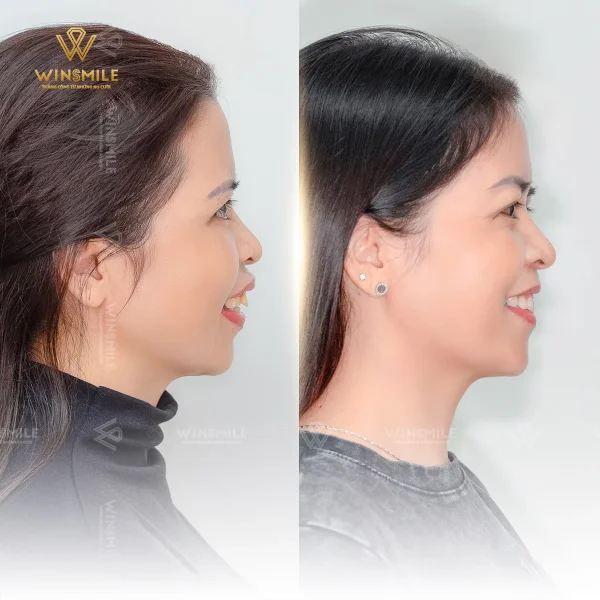
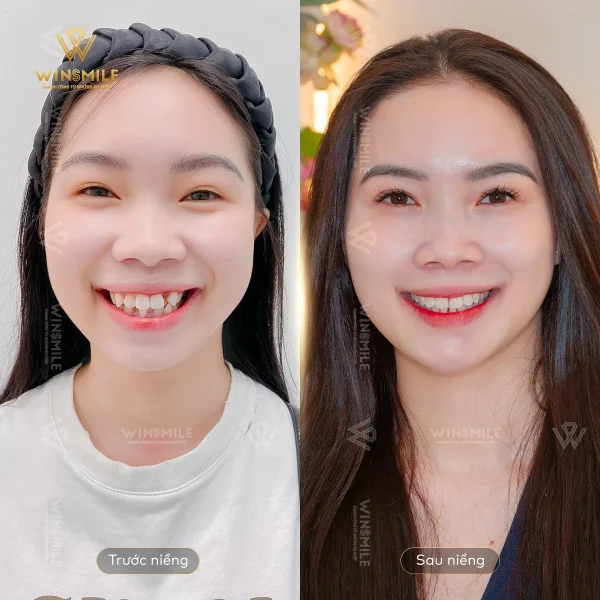
Space creation and tooth-position control progress stage by stage.
Learn about this treatment →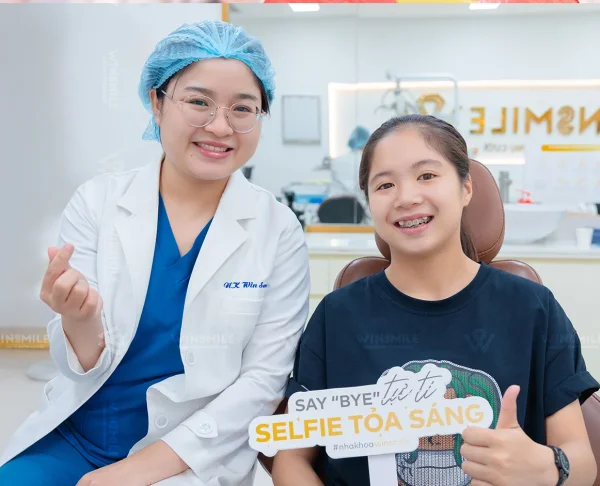
Selected children may benefit from intervention during growth.
Real experiences help you understand the service through the eyes of someone who has been through the journey.
 ▶
▶
Progress reviews and continuity across a longer orthodontic plan.
Trust is not built by discussing benefits alone. Limitations and factors that can change the plan should be explained in advance.
More complex discrepancies require additional control stages.
Wear time directly affects progress with clear aligners.
Skipping milestones can delay planned adjustments.
Decay or gum inflammation can interrupt treatment.
Tooth movement speed differs between individuals.
Relapse is possible when retention is not followed.
Remote monitoring can support communication but does not replace all in-person orthodontic reviews. Before treatment starts, the clinician should clarify when you need to be in Vietnam and what to do if a problem occurs overseas.
A single number without context can be misleading. An estimate follows an understanding of the condition and is confirmed after an examination.
Braces and clear aligners have different cost structures.
The bite discrepancy and treatment goals affect duration.
Longer plans require more monitoring.
Miniscrews or other devices are only used when indicated.
Decay, gum treatment or extraction may be required.
Retainers and post-treatment follow-up are part of the journey.
No. Suitability depends on the type of discrepancy and movement required.
Potentially, if the in-person review schedule is workable and agreed in advance.
There is no universal interval; it depends on appliance and treatment stage.
Yes. Retention is important to stabilise tooth position after active orthodontics.
Both can move teeth, but suitability depends on the type of tooth movement required, bite, compliance and the clinician’s plan.
This depends on the stage. Some plans can accommodate a short pause; others may need reassessment before continuing, since prolonged gaps can affect progress.
Aesthetic alignment is only part of orthodontics. The clinician also considers how upper and lower teeth meet and how the result will be retained.
Yes. Growth stage affects treatment approach, timing and sometimes appliance choice, particularly for younger patients.
Start with your current condition, goals and travel dates. Win Smile can help you understand the next steps before you book your flight.