


Screen before treating
Pain, sensitivity, bleeding, swelling or a broken restoration can have different causes; the diagnosis determines the next step.
General dental care at Win Smile starts by understanding the actual condition — symptoms, tooth structure, gums, pulp, bite and diagnostic imaging when indicated. The goal is to treat problems in the right order, avoid unnecessary intervention and stabilise oral health before restorative, orthodontic or cosmetic care.
 Service
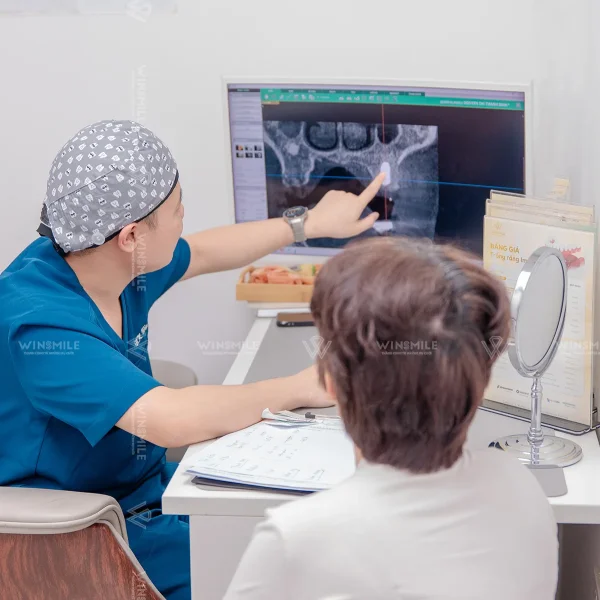
General Dental Care
Check-ups, screening, hygiene, fillings and management of common dental problems when indicated.
Read more →
Service
General Dental Care
Check-ups, screening, hygiene, fillings and management of common dental problems when indicated.
Read more →
 Service
Advanced Dental Treatment
For more complex conditions requiring deeper diagnostics or multidisciplinary coordination.
Read more →
Service
Advanced Dental Treatment
For more complex conditions requiring deeper diagnostics or multidisciplinary coordination.
Read more →
 Service
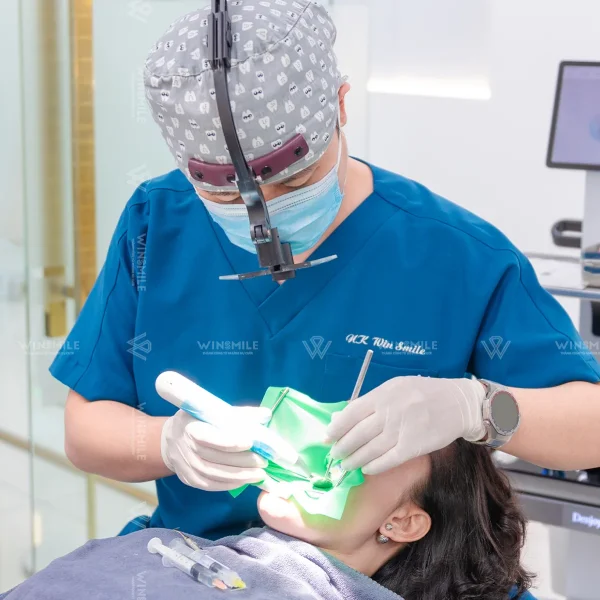
Root Canal Treatment
Manage inflamed or infected tissue inside the tooth when endodontic treatment is indicated.
Read more →
Service
Root Canal Treatment
Manage inflamed or infected tissue inside the tooth when endodontic treatment is indicated.
Read more →
 Service
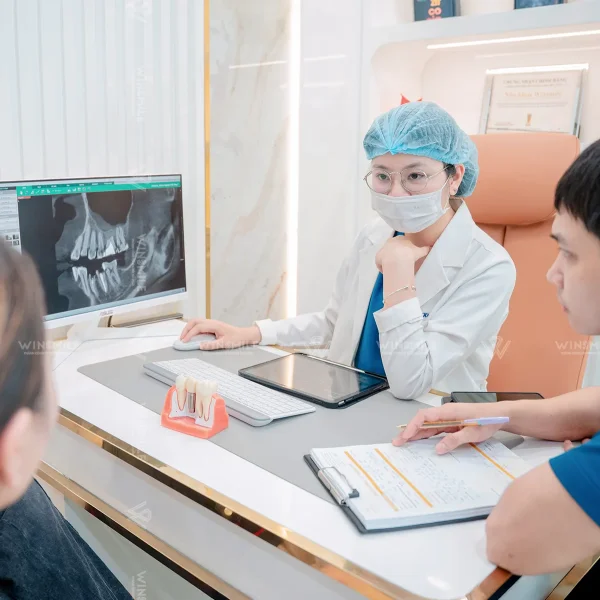
Periodontal Treatment
Control gum and supporting-tissue disease to create a more stable foundation for ongoing care.
Read more →
Service
Periodontal Treatment
Control gum and supporting-tissue disease to create a more stable foundation for ongoing care.
Read more →
 Service
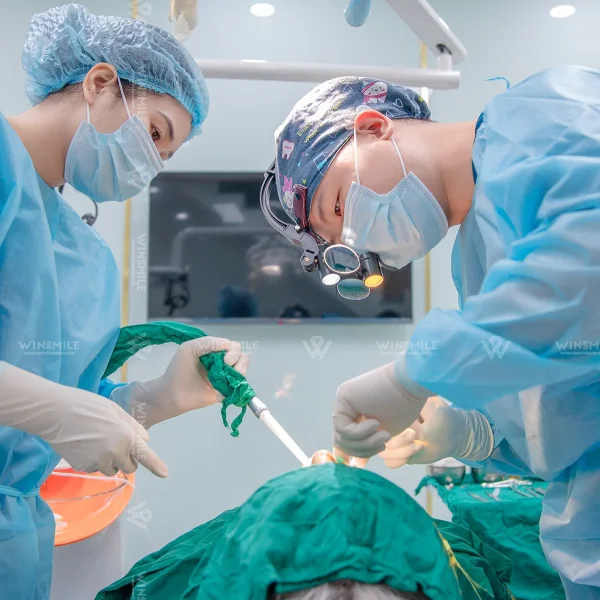
Wisdom Teeth & Minor Oral Surgery
Assess symptoms, tooth position, anatomy and risk before deciding whether to monitor or intervene.
Read more →
Service
Wisdom Teeth & Minor Oral Surgery
Assess symptoms, tooth position, anatomy and risk before deciding whether to monitor or intervene.
Read more →





Pain, sensitivity, bleeding, swelling or a broken restoration can have different causes; the diagnosis determines the next step.
Active decay, infection or periodontal inflammation may need stabilisation before cosmetic, implant or orthodontic care.
Complex surgical or multidisciplinary cases should be coordinated rather than treated as isolated procedures.
Recall, hygiene and monitoring help reduce the chance that a small problem becomes a larger treatment need.
We do not pick a technique first and look for reasons afterwards. The path runs from finding the problem → grading it → prioritising treatment → monitoring the result.
Pain, sensitivity, bleeding gums, previous dental treatment and relevant medical history are reviewed.
Teeth, gums, soft tissue, existing restorations and signs that need clarification are assessed.
X-rays, scans or clinical photographs are used when indicated to add diagnostic information.
Acute problems, infection and disease control come before elective aesthetic goals.
The case is directed to the appropriate clinician or specialty: restorative, endodontic, periodontal or surgical care.
Healing and response are checked, function is restored and an appropriate review schedule is planned.
The groups below are a reference scope. Final indications depend on examination and each patient’s own data.
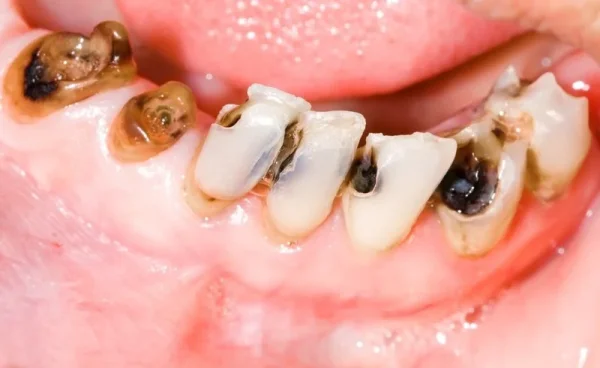
Controlled removal of diseased tissue and restoration of form and function when appropriate.
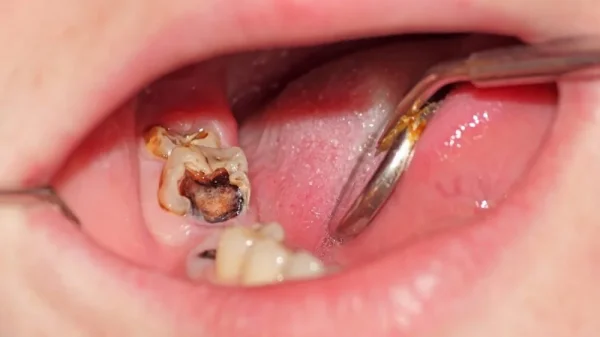
Assess the source of pain, pulpal involvement and the tooth's restorability before treatment.
Learn about this treatment →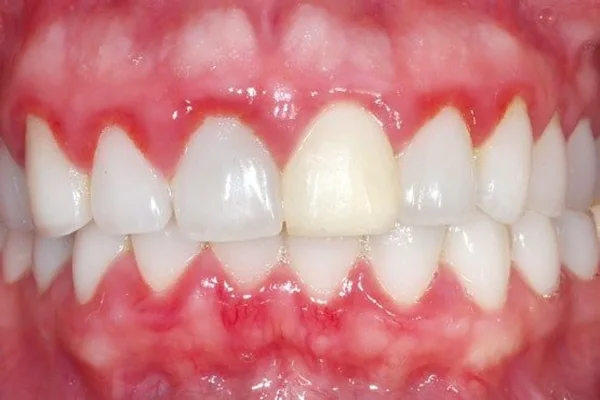
Control inflammation, plaque and supporting-tissue disease to build a stable oral-health foundation.
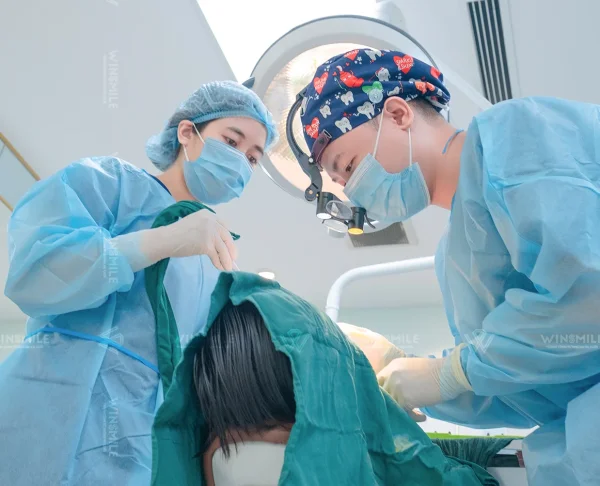
Evaluate symptoms, tooth position and relevant anatomy before deciding whether to monitor or intervene.
Learn about this treatment →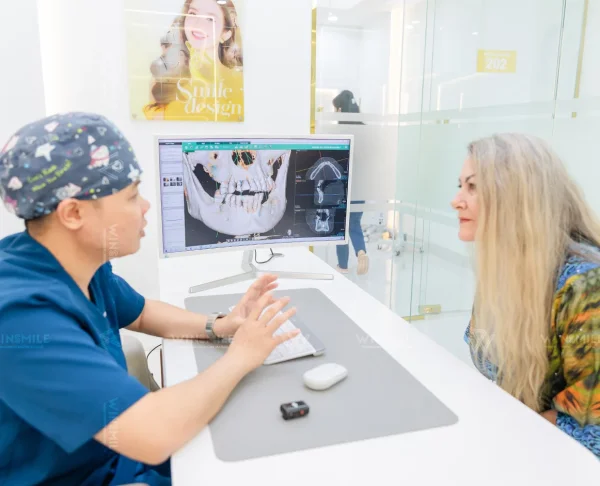
Look for early decay, gum inflammation, failing restorations and other signs that deserve follow-up.

Controlling disease before implants, orthodontics or cosmetic treatment can create a safer and more predictable foundation.
Equipment does not replace clinical reasoning; its role is to give clearer data for diagnosis, planning and follow-up.
Supports assessment of teeth, bone and related structures when indicated.
Supports storage, comparison and coordination of plans across stages.
Records the condition before, during and after for clearer discussion and follow-up.
Clean protocols, infection control and how treatment areas are organised are the basis of clinical safety.
Trust is not built by one machine or one technique, but by how the whole system reaches a decision.
Understand teeth, gums, bone and bite before discussing any technique.
Intervene only where intervention is needed; keep healthy structure wherever possible.
Each option comes with its benefits, its limits and the conditions it applies to.
Results need rechecking at set intervals, not just at the final appointment.
Service pages give a short introduction only. Full profiles live on the Meet Our Team page.
Founder & CEO · Smile Design Expert
CEO Bui Bich Uyen and the Relentless Pursuit of Successful Smile Design - Personalised aesthetic direction: tooth form, shade, smile line and harmony with the face.
View profile →Videos from the official YouTube channel show how consultation, treatment and follow-up work in practice.
 ▶
▶
A real patient perspective on consultation, treatment and aftercare.
A few articles to help you prepare better questions before your appointment.
A useful estimate starts with diagnosis rather than a price table. Scope, bone, restorative design, materials and the number of treatment stages can all change the plan.
Implant treatment is not a single procedure. Responsible planning connects diagnosis, surgery, healing, restoration and long-term review into one coordinated journey.
Both are full-arch implant restoration concepts. The important differences are bone distribution, anatomy, implant position, prosthetic design, loading, hygiene and maintainability.
Both fixed appliances and clear aligners can move teeth. The decision depends on control requirements, malocclusion, bite, compliance, hygiene and the review schedule.
Yes. Some early dental or gum problems may not cause obvious pain. Routine assessment can help identify changes earlier.
No. Diagnostic imaging is used when the clinician needs additional information to evaluate structures or plan treatment.
In many cases, active inflammation, infection or periodontal disease should be controlled first to create a more stable foundation for further treatment.
The treatment principle is to preserve healthy natural structure where clinically appropriate. The actual option depends on the extent of damage and prognosis of each tooth.
If available, send dental photos, existing X-rays/CBCT, symptoms, medical history and your expected stay in Vietnam so the team can prepare for the consultation.
Previous X-rays, a list of recent dental treatment, relevant medical history and current medications can help the clinician understand context.
Yes, when clinically appropriate. Disease control and stabilisation may need to happen before a larger restorative, implant or orthodontic plan.
The next step is to reassess the tooth or gum condition, explain longer-term options and decide whether monitoring, restoration or specialist care is needed.