


Safety starts with the right decision.
What patients should understand before treatment.
This page focuses on operational principles that can be explained clearly; specific certifications or equipment models should only be published when supporting documentation is verified.
Diagnosis before indication
Teeth, gums, bone and bite are assessed together before any treatment path is confirmed — a technique is never chosen before the condition is understood.
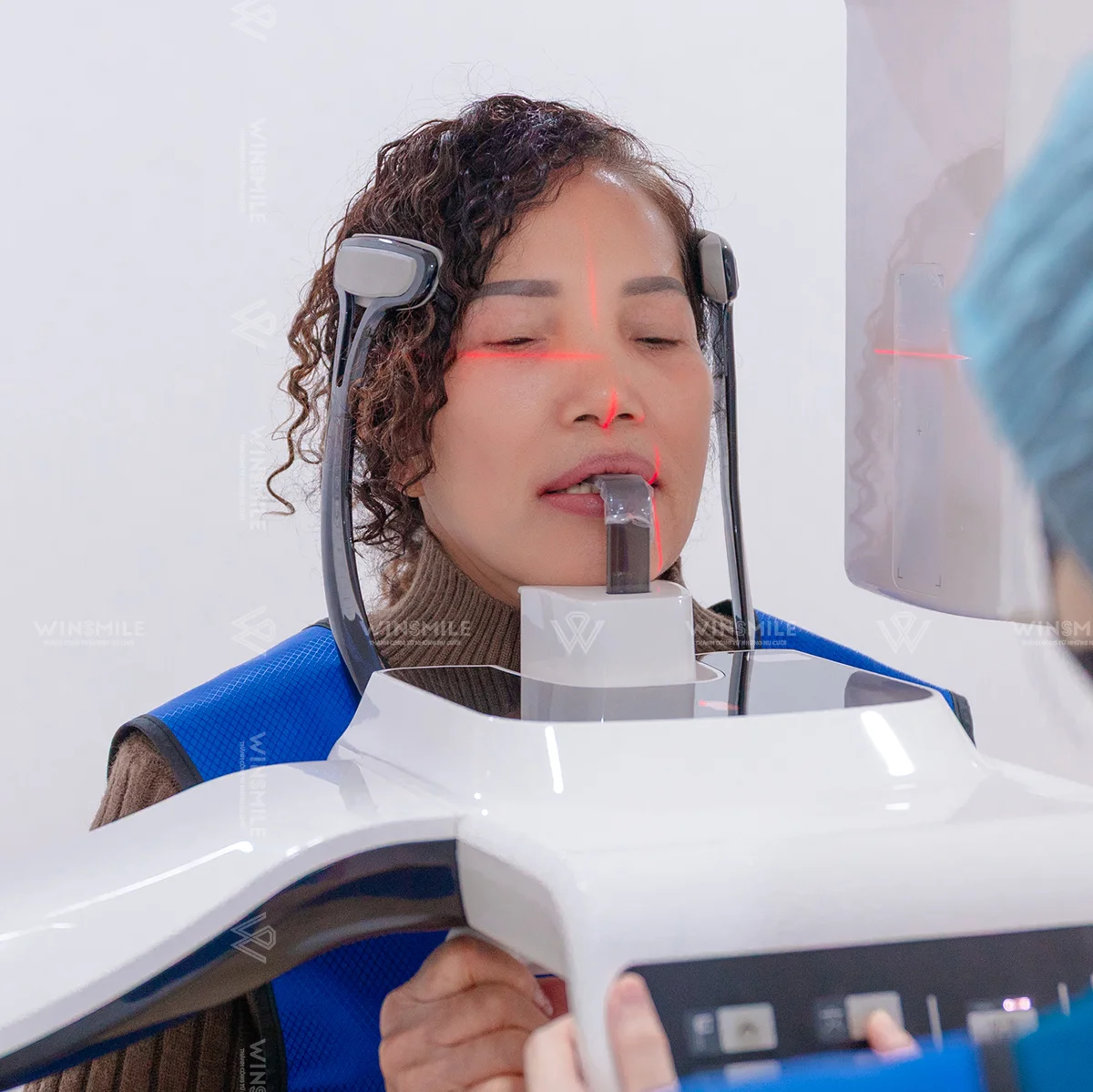
Purpose-led diagnostic imaging
X-rays, scans and digital records are taken to answer a specific clinical question, not as a routine step for every visit. This limits unnecessary exposure while keeping the diagnosis accurate.
Infection control
Every treatment area follows structured sterilisation between patients, with single-use items discarded and instruments processed through a documented cleaning cycle before reuse.
Explain before proceeding
Before treatment starts, patients are walked through the goal, the limitations, the expected timing and what could change the plan — so nothing is decided without their understanding.
Records & follow-up
Photos, scans and treatment notes are kept as a continuous record, so any clinician involved later — at Win Smile or elsewhere — has an accurate picture of what was done and why.
Aftercare
A review schedule is set after treatment, not left open-ended. Patients know when to come back and who to contact if something feels different in the meantime.
Technology supports decisions. It does not replace the clinician.
Technology at Win Smile is chosen for what it adds to a diagnosis, not for how advanced it sounds. Imaging and digital records exist to answer a specific question — where a tooth's root sits, how much bone remains, whether a restoration still fits — and that answer informs the clinician's decision. The equipment supports the process; it does not make the decision on its own. That responsibility stays with the treating dentist, confirmed only after an in-person exam.
Prepare records before you travel.
Patients travelling for treatment can send existing images, prior treatment records and their preferred travel dates ahead of time. This helps the team prepare a preliminary direction and estimate how many appointments the visit may need. It doesn't replace an in-person exam — final diagnosis and treatment planning are always confirmed once the dentist has examined the patient directly, so nothing is promised that can't be verified in person.
Questions about safety or the clinical process?
Ask before booking so the team can clarify what matters for your situation.